
Falsework
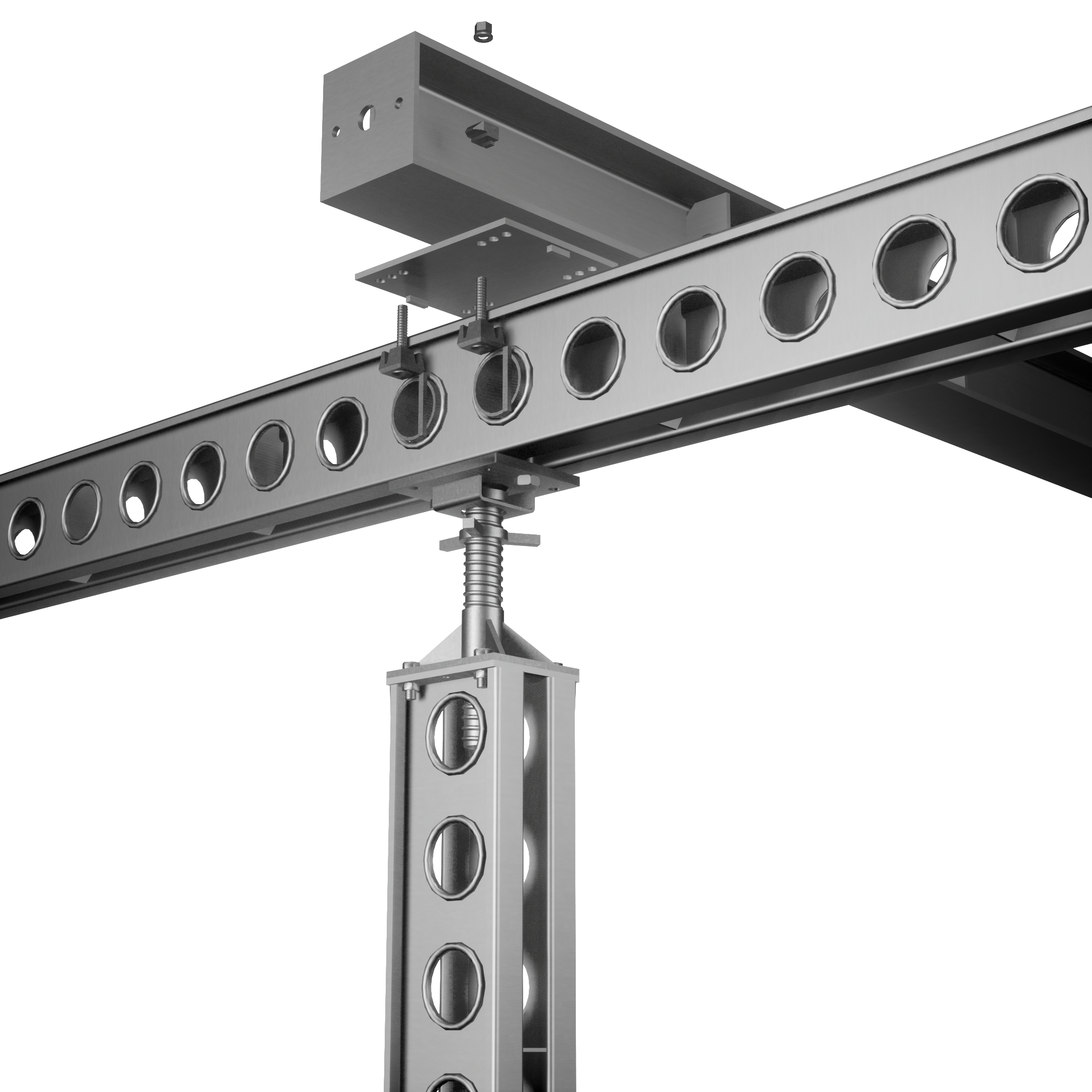
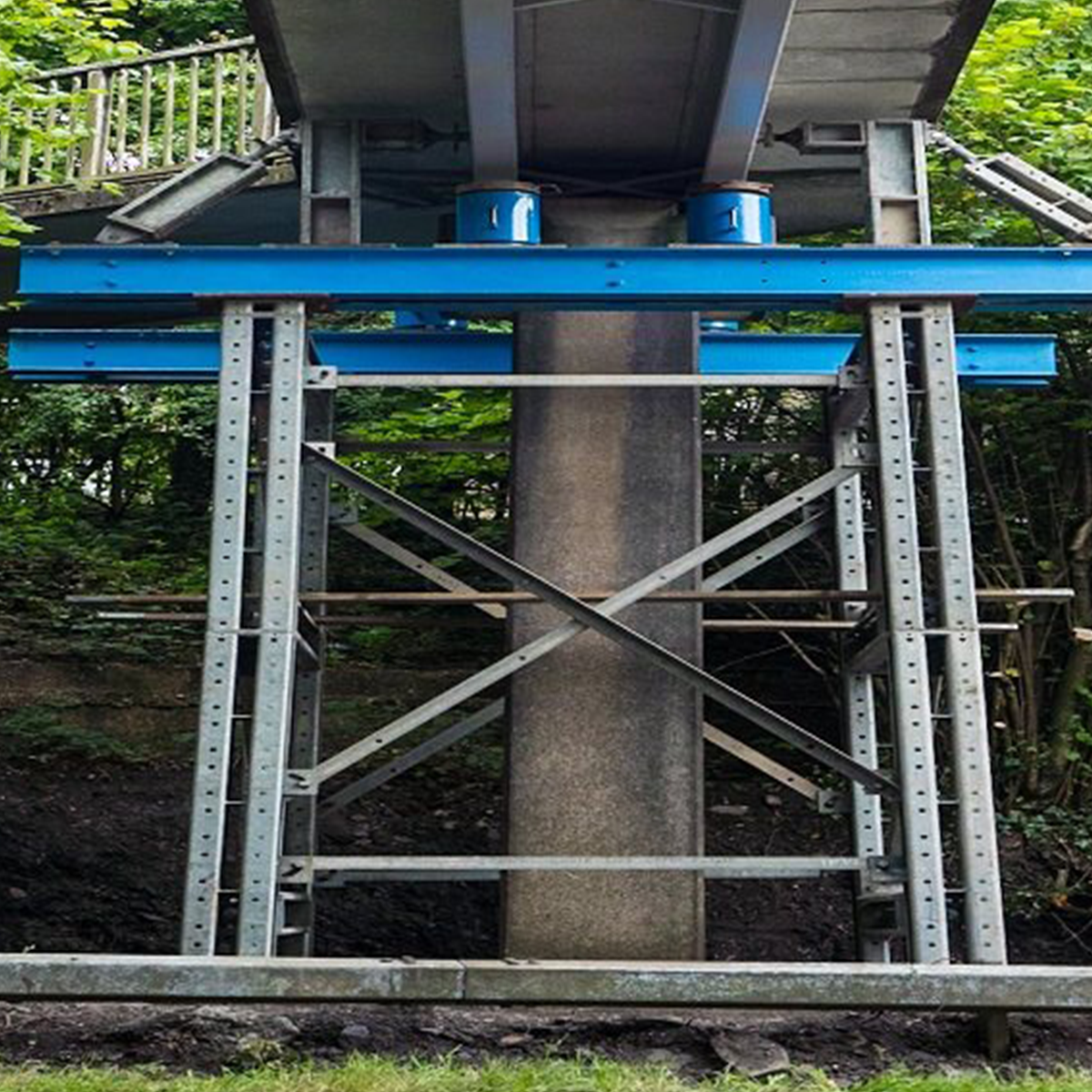
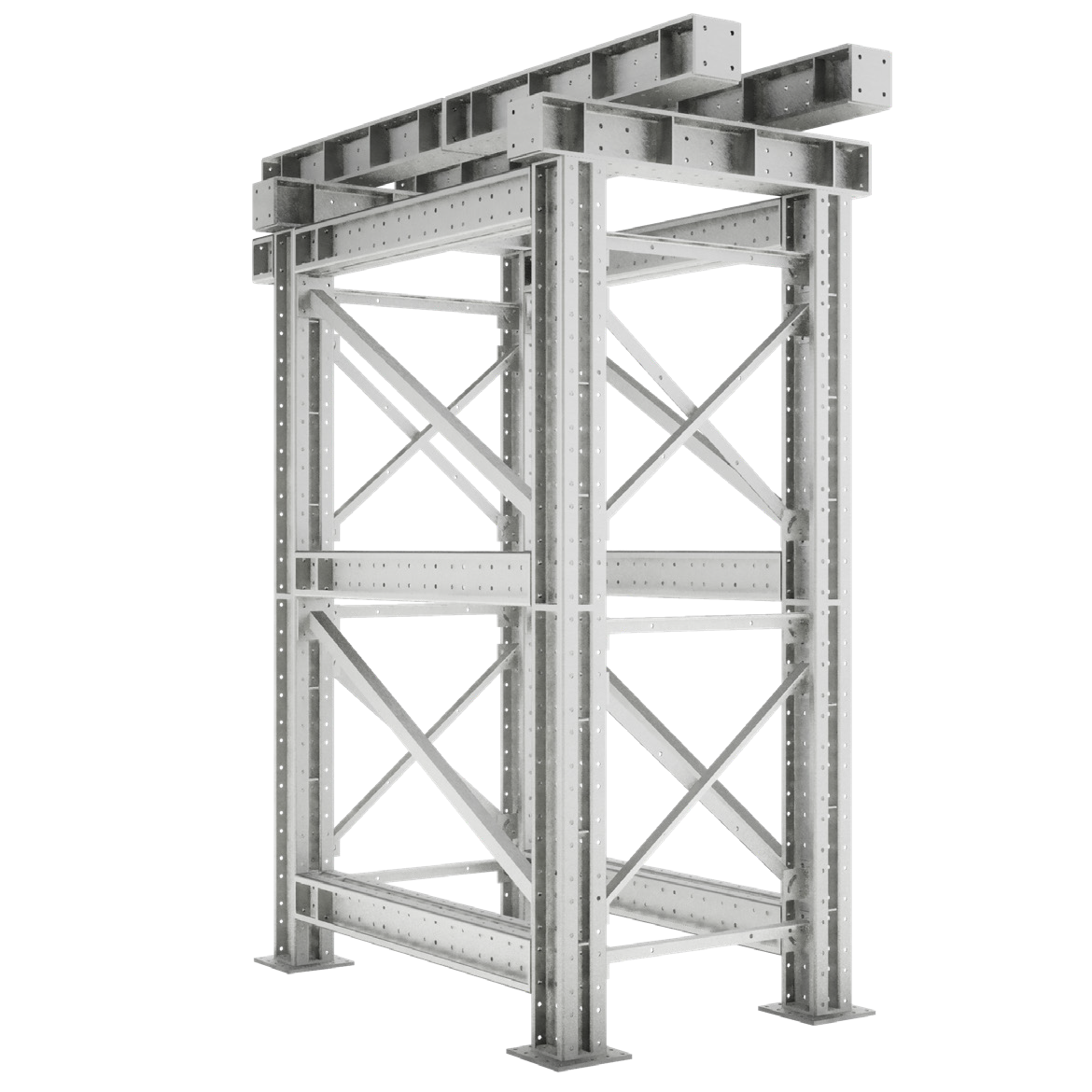
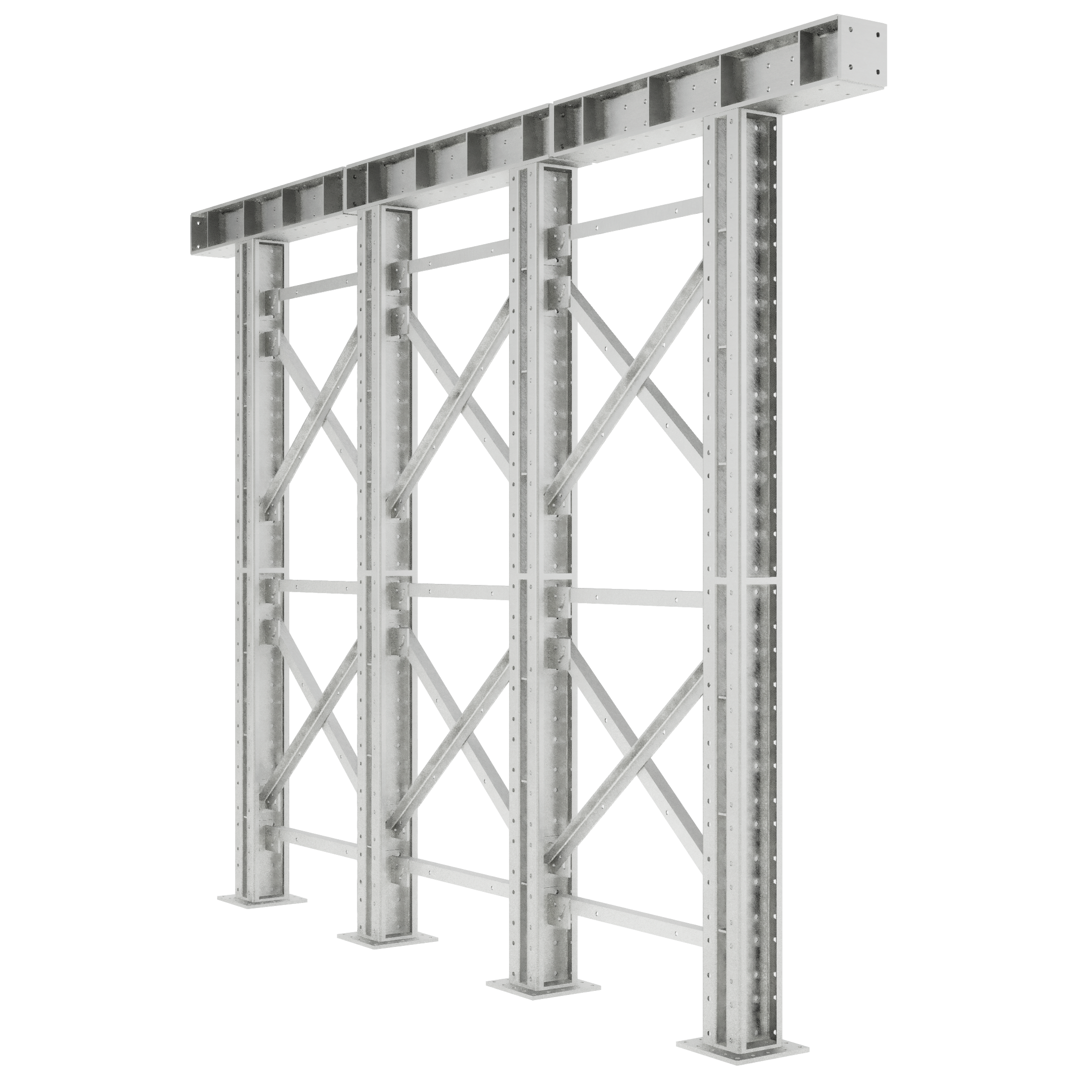
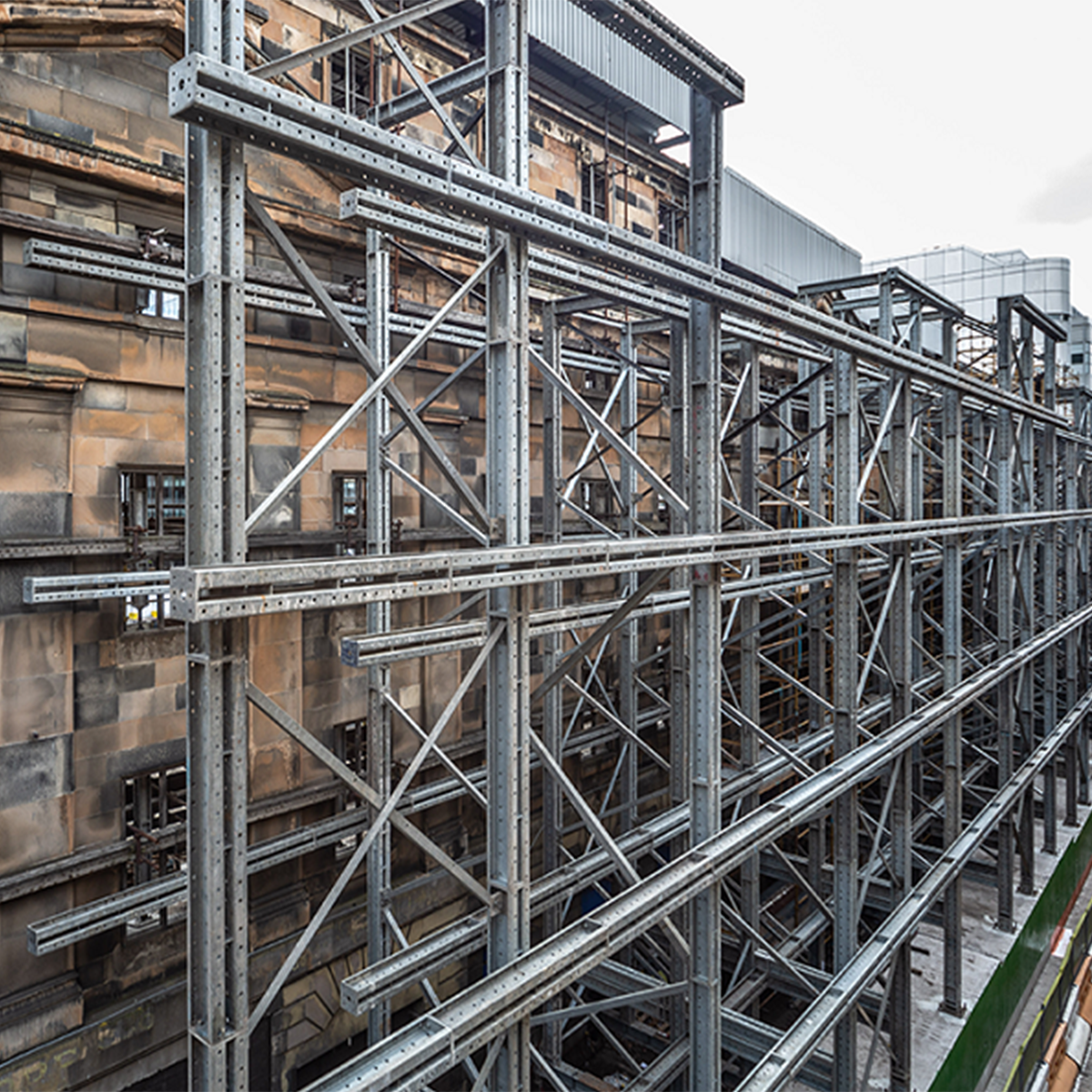
Product TypeFalsework systems offer temporary support for concrete structures during construction, ensuring safety and stability until full strength is reached. Using modular systems, they adapt easily to site needs and integrate with formwork, helping keep projects efficient and on schedule.
FAQs
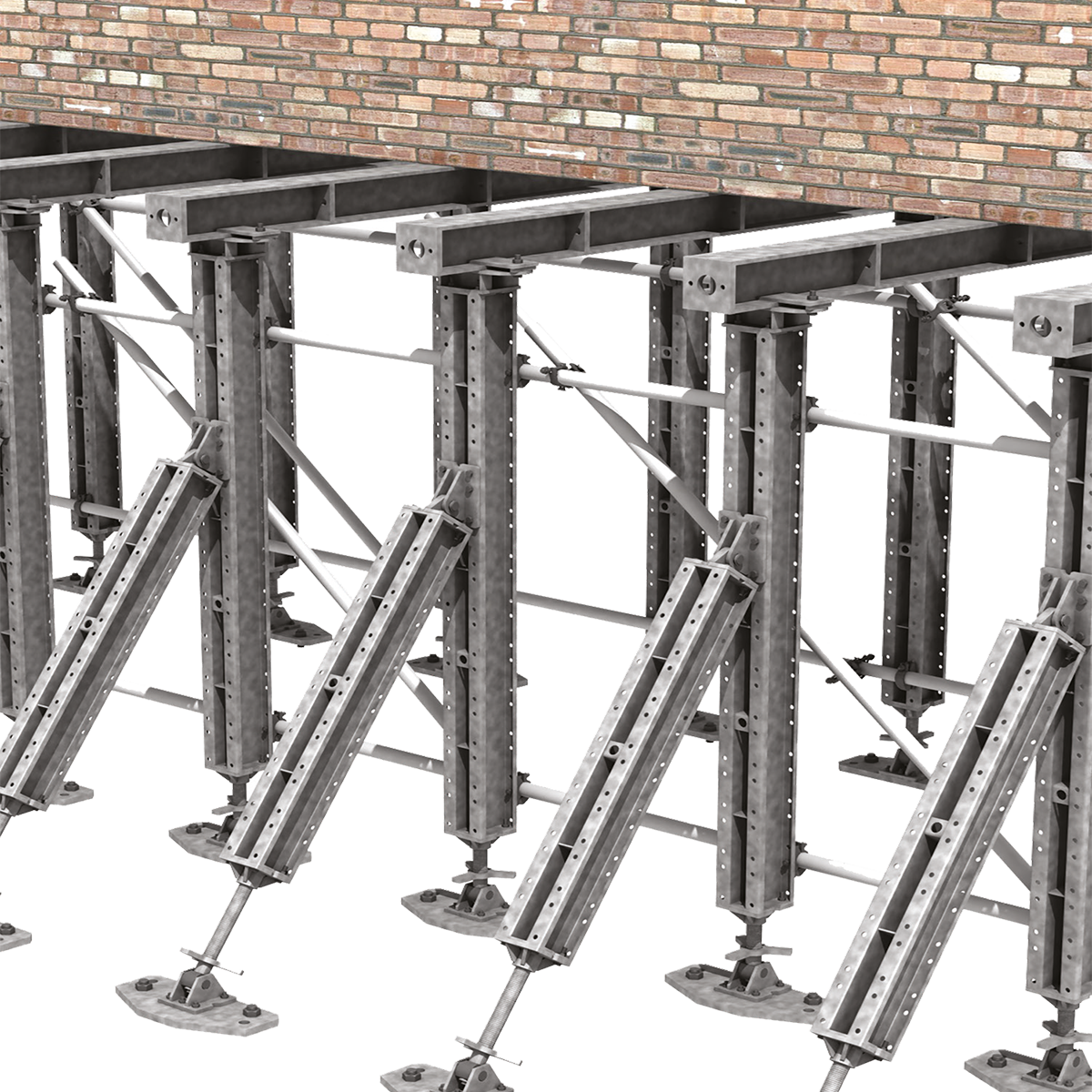
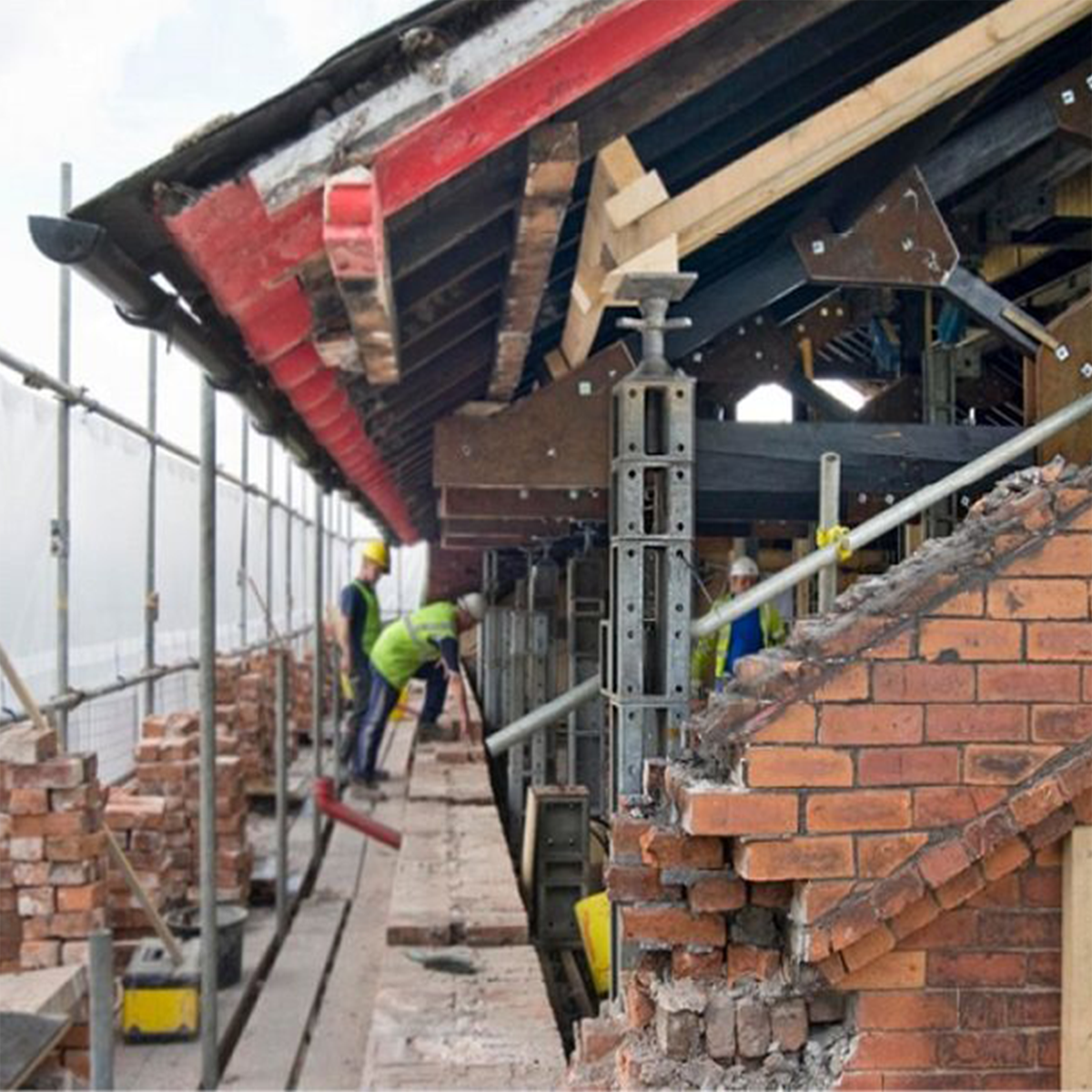
Falsework in construction is made up of temporary props that support the formwork vertically until the concrete dries and the structure can support itself.
Falsework is important because it offers indispensable support during critical phases of the building process. Its primary purpose is to uphold formwork, ensuring a stable and secure environment for concrete to be poured and cured. This temporary propping system is vital for projects that demand high precision and safety, such as high-rise buildings, bridges, and complex infrastructures.
Without falsework, the formwork could shift or collapse, compromising the structural integrity of the entire project.
Different types of falsework include shoring, scaffolding, framework, and bracing systems.
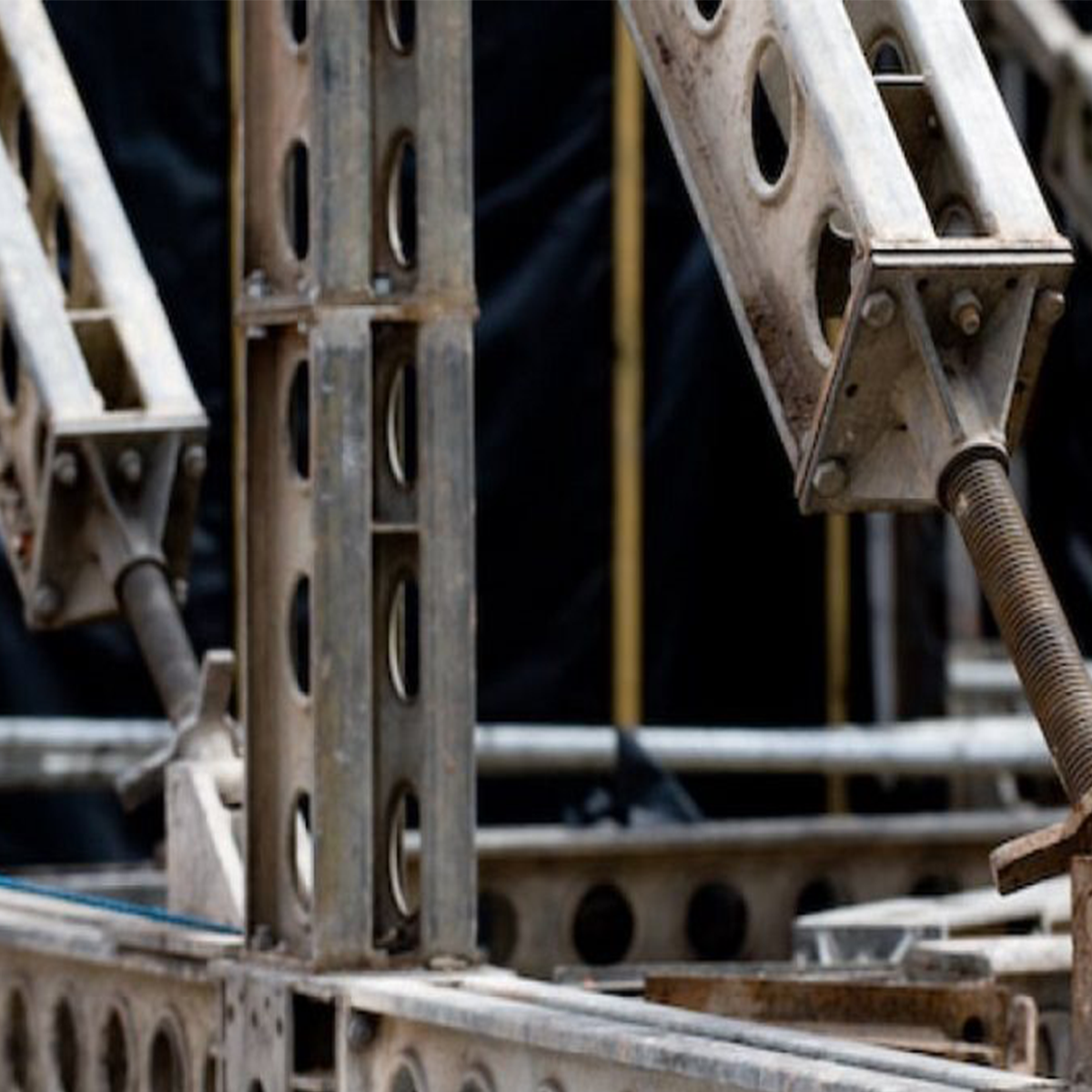
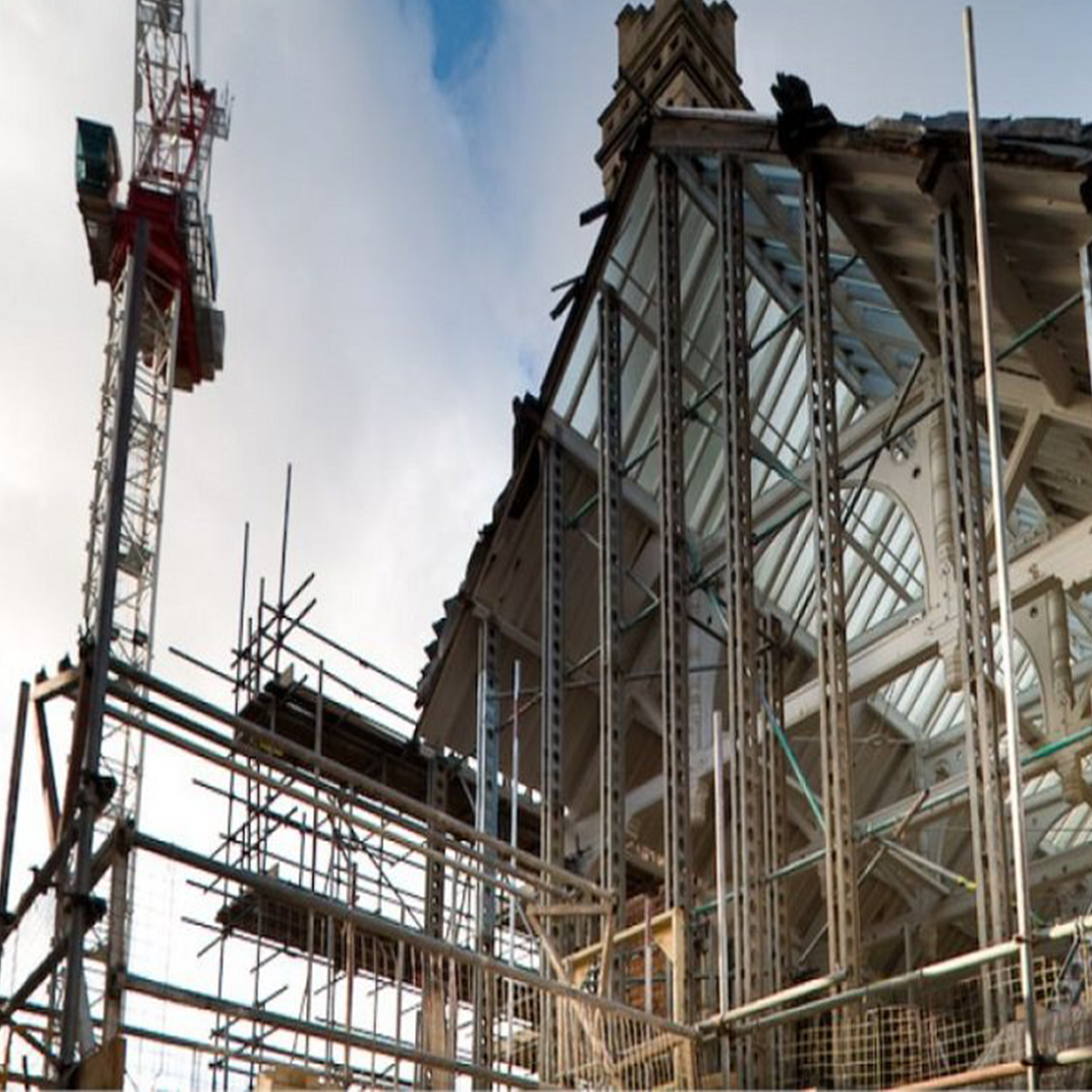
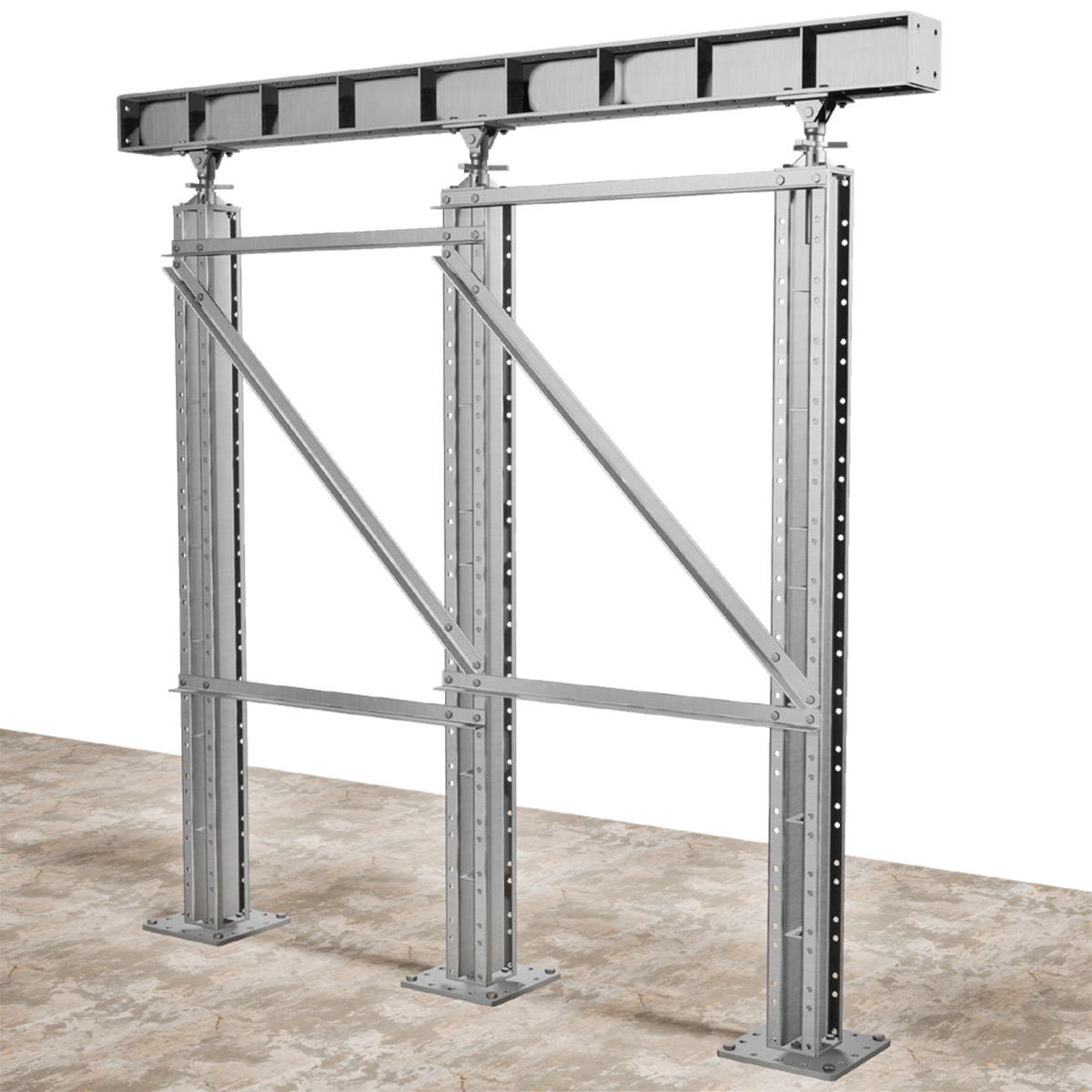
Shoring supports the vertical loads during construction projects and includes adjustable props, frames, and towers. Scaffolding provides extensive access around construction sites, allowing workers to navigate and perform tasks safely.
Formwork acts as a mold for the concrete, working with falsework to ensure the integrity and precision of a build. Bracing systems maintain structural stability, preventing movement and ensuring the overall safety of the construction process.
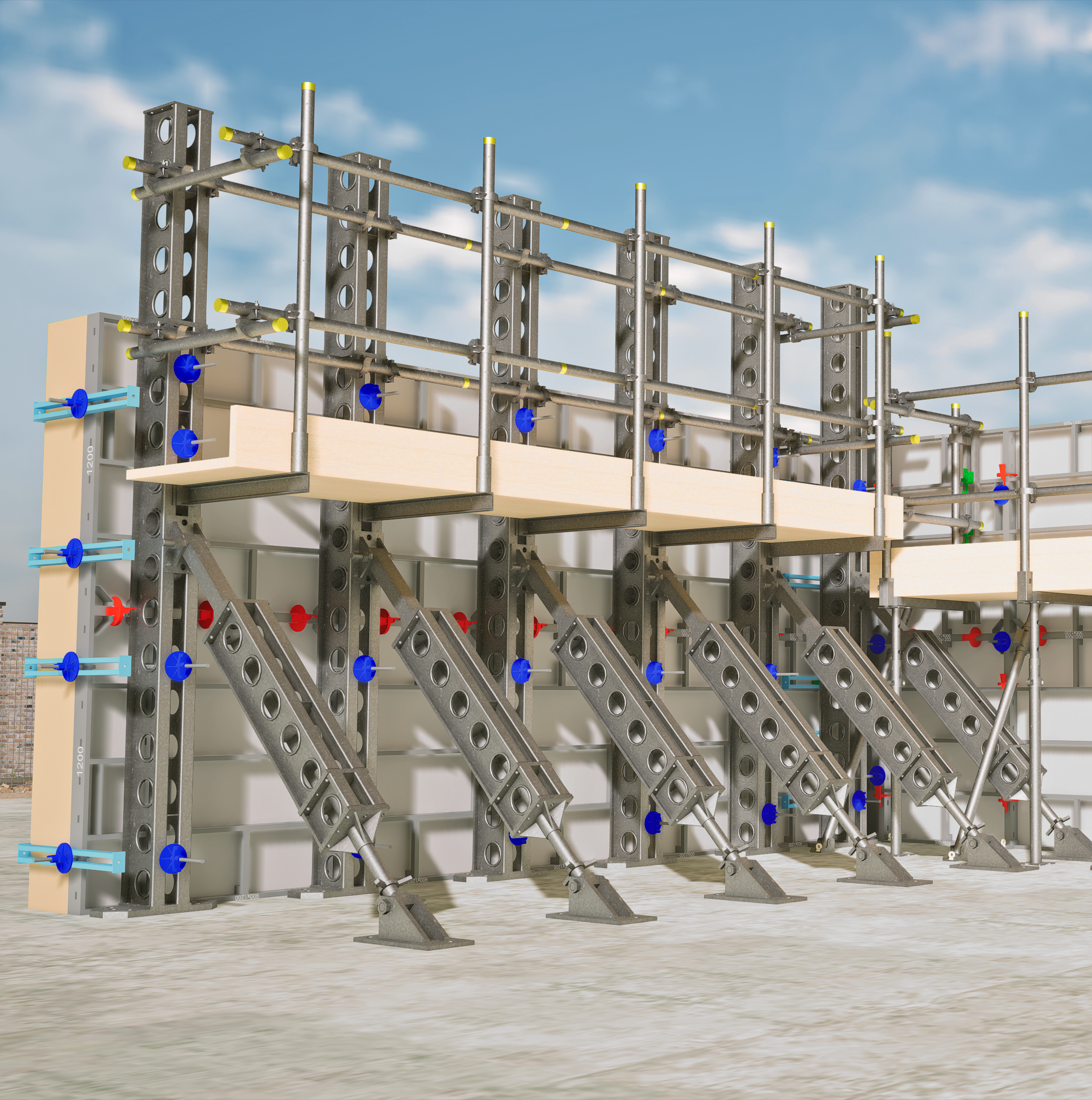
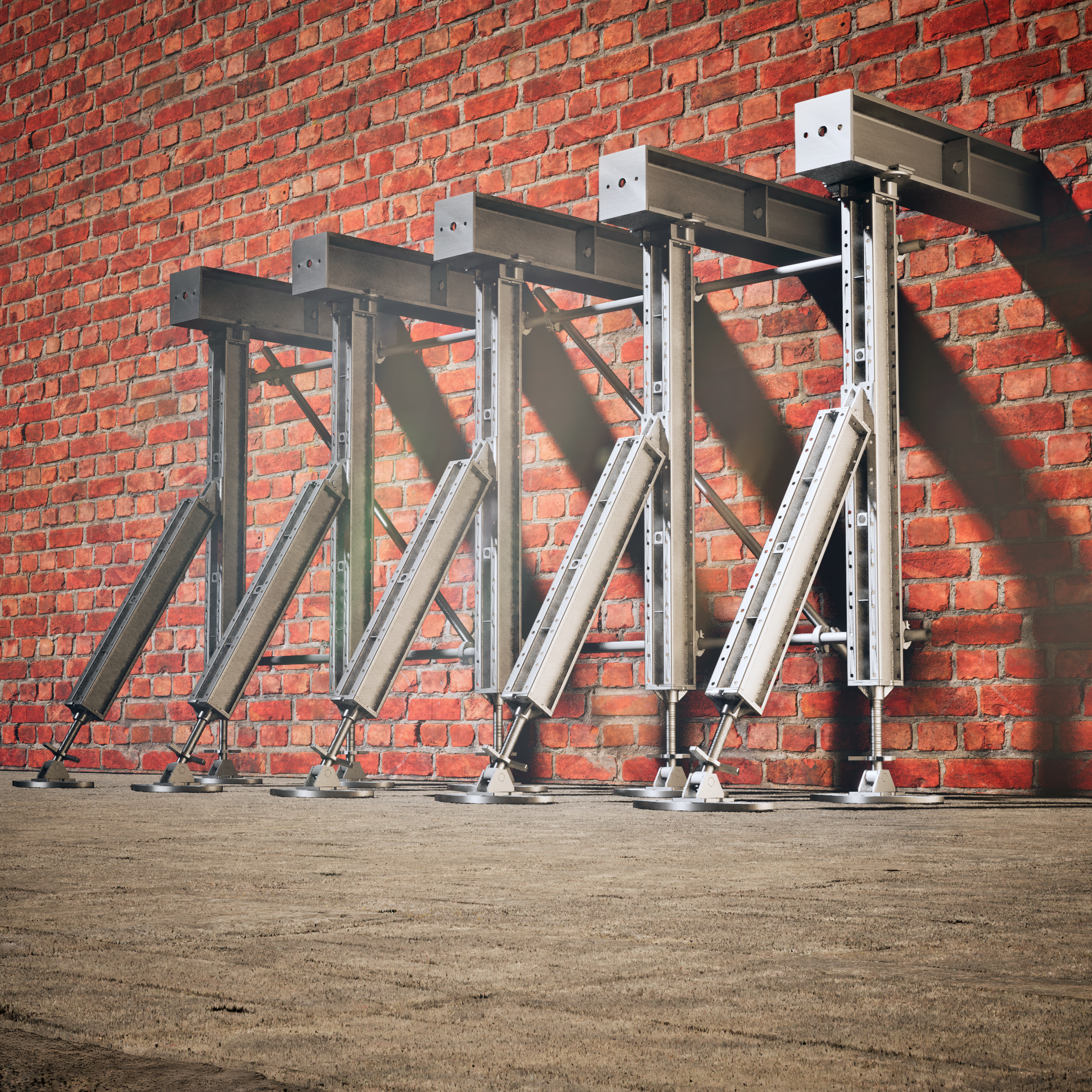
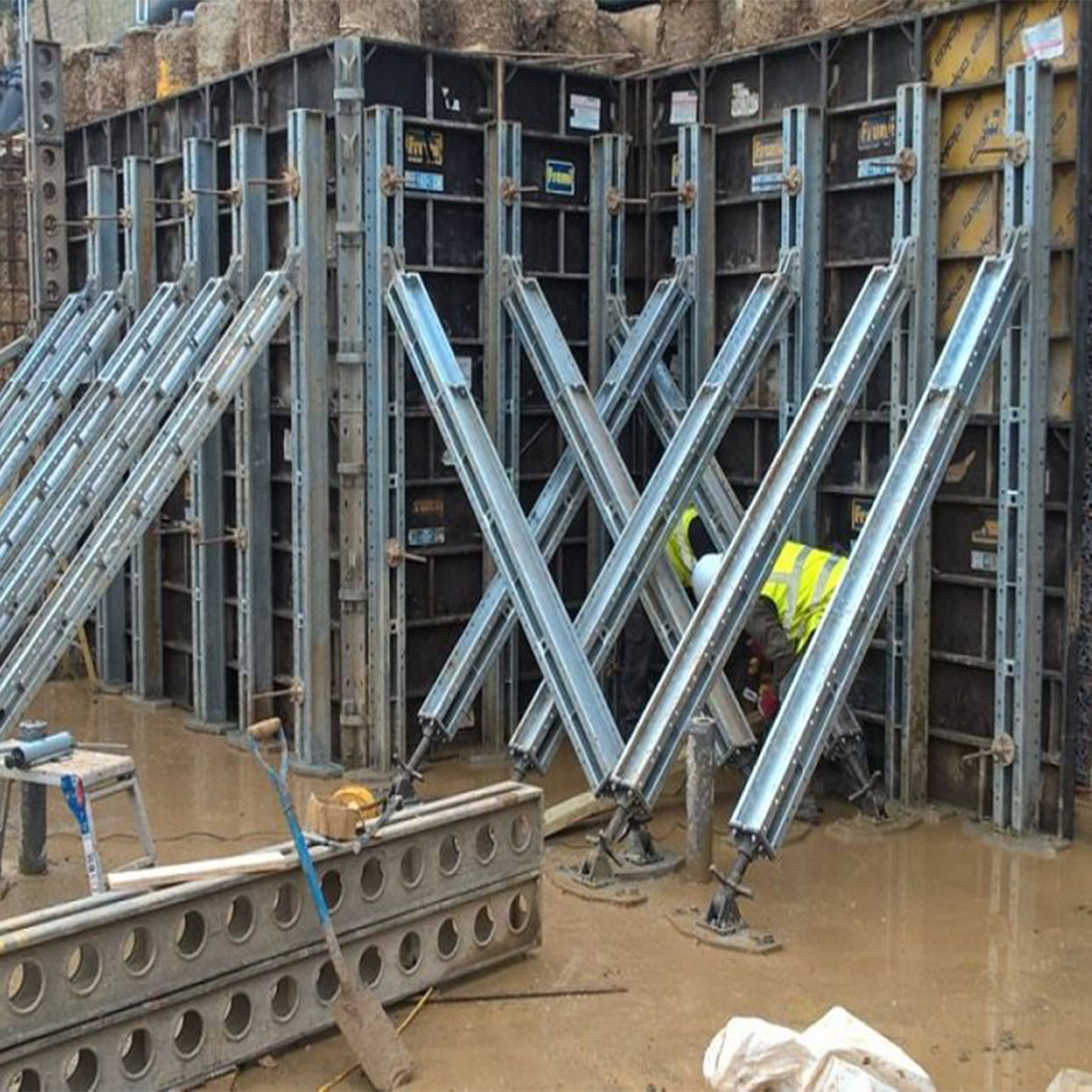
Our Falsework propping systems – Kwikstage, System 160 and Mass 10 can be used in conjunction with our Frami panel system to provide support for the formwork. They are also ideal when single-sided pours are required.
When installing falsework there are key factors to consider to ensure reliability and efficiency for providing a solid foundation for any construction project. Here’s what to consider:
- Structural integrity: Ensure the falsework can bear the full load of wet concrete and construction activities without deformation or collapse.
- Material selection: Choose the right materials based on the project demands.
Design and Engineering: Match the falsework to the project contours and dimensions, with detailed calculations. - Adaptability and flexibility: Use adaptable systems for quick assembly and adjustments, accommodating for any modifications that may arise.
- Safety measures: Securely fasten all components and conduct regular inspections to maintain stability and prevent accidents.
- Compliance with regulations: Adhere to safety codes and local building regulations to ensure legal compliance and a safe working environment for everyone on the project.
In all instances we recommend following the procedure within our specific Product User Guides.
As for all general guidance, it is the customer’s responsibility to decide whether it should be followed for his specific application and to ensure a safe system of work.
Dismantling falsework requires planning and careful execution that begins with developing a dismantling plan that emphasizes safety. Start with a thorough inspection and removing any construction material and equipment. Then ensure the concrete has cured and all the components are stable, starting from the top and working downwards by using the appropriate lifting equipment for maintaining a controlled environment. Regularly monitoring the structure for any signs of instability and addressing any issues that arise immediately is crucial. To keep the site safe, post- dismantling, always conduct an inspection so the site is clear of any debris and the remaining structure is secure.
In all instances we recommend following the procedure within our specific Product User Guides.
As for all general guidance, it is the customer’s responsibility to decide whether it should be followed for his specific application and to ensure a safe system of work.
One of the primary challenges of installing falsework is load bearing. Misjudging the weight that the falsework must support can compromise the entire structure. Similarly, using incompatible materials can undermine the stability of the falsework. Ensuring that every component meets quality standards is essential for a secure setup.
Uneven ground and unstable soil can also present significant challenges when erecting falsework. Proper site preparation and the use of adjustable supports are necessary to reduce these issues.
If you have any doubt we always recommend consulting with your temporary works supplier or appointed contractor.
To ensure falsework is stable, employing precision engineering to create a detailed falsework design that considers all load-bearing requirements is essential. Every component needs to be calculated and planned. Using only high quality materials that can withhold the load bearing capacity of the falsework and the building project you are carrying out are essential in ensuring a stable installation process. Each piece should be inspected to meet industry standards.
Conducting thorough safety checks, including load testing and balance assessments ensures the falsework can support the weight of the construction activities without shifting or collapsing. Maintaining clear communication and conducting regular inspections throughout the building process helps ensure that the falsework remains intact.
If you have any doubt we always recommend consulting with your temporary works supplier or appointed contractor.