
Formwork
Product TypeFormwork systems provide safe, adaptable moulds for casting concrete in walls, foundations and other structures. Lightweight and quick to assemble, they suit a range of profiles and site conditions, helping deliver quality finishes while keeping construction efficient and on track.

FAQs
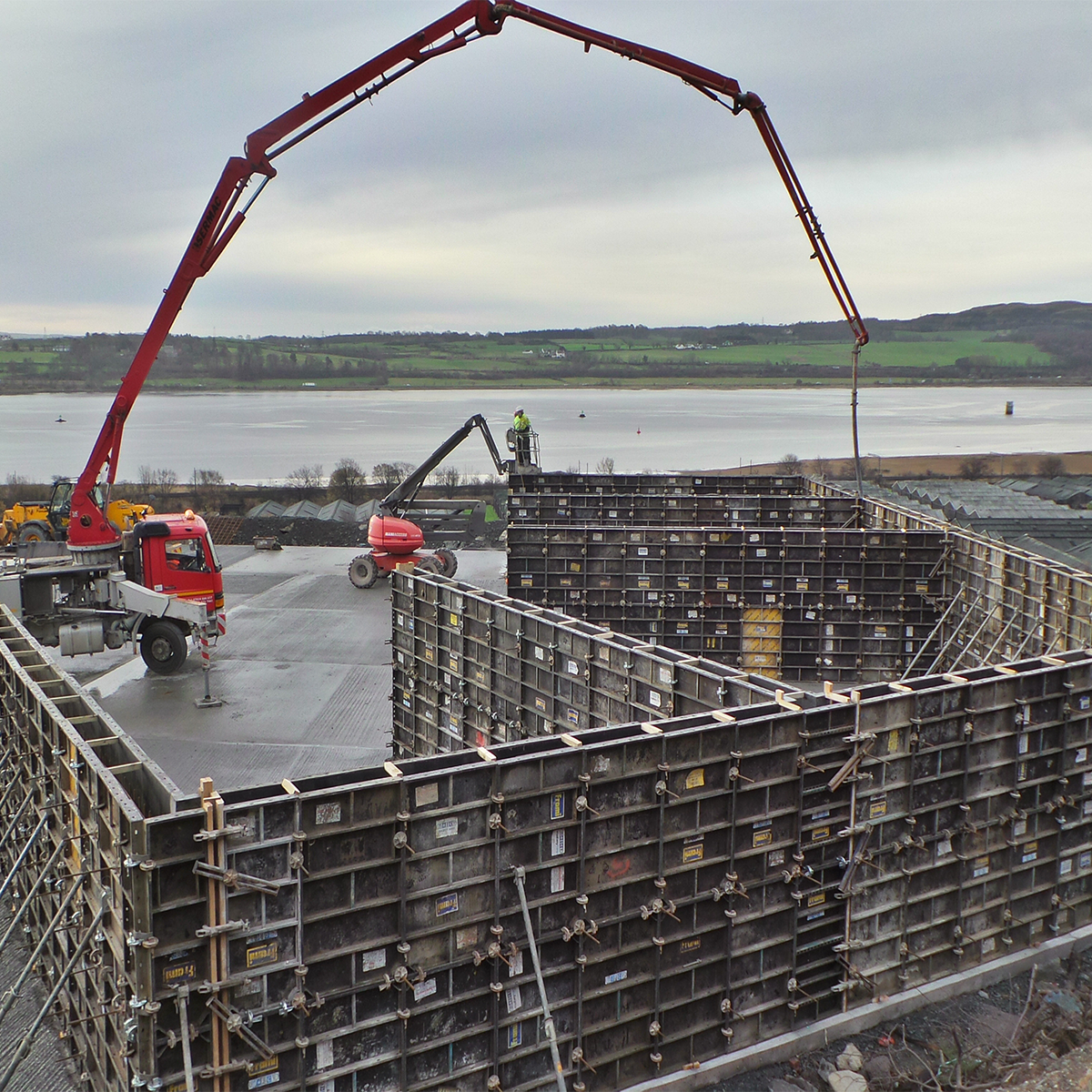
Formwork in construction is a system used to support and shape poured concrete until it gains sufficient strength. This is integral in creating the structure’s desired form and ensuring that it meets precise architectural standards.
Formwork is the backbone of construction, crucial for shaping and supporting structures until they reach full strength. With advanced systems like those offered by Mabey Hire, formwork has evolved to offer greater precision, efficiency, and safety in modern construction projects. By utilising these advanced formwork solutions, construction professionals can achieve superior structural integrity and high-quality finishes.
Employing formwork brings a host of advantages to construction projects:
Precision: Guarantees that the concrete structure adheres to exact specifications and designs.
Efficiency: Enhances construction speed with quick setup and removal processes.
Safety: Provides a secure platform for workers, significantly improving on-site safety.
Quality: Delivers smooth, defect-free concrete finishes, enhancing the overall aesthetic and structural quality.
Bespoke formwork is a custom-engineered framework meticulously designed to meet the unique requirements of your specific construction project. This tailored approach ensures that the formwork precisely aligns with the architectural vision and structural demands of your project, providing unparalleled support and precision.
Bespoke formwork represents the pinnacle of accuracy in construction, specifically crafted to match the unique contours and dimensions of your construction project. Unlike standard formwork intended for generic applications, bespoke formwork is tailored specifically for each project, ensuring that every curve, angle, and detail is flawlessly reproduced in the concrete structure.
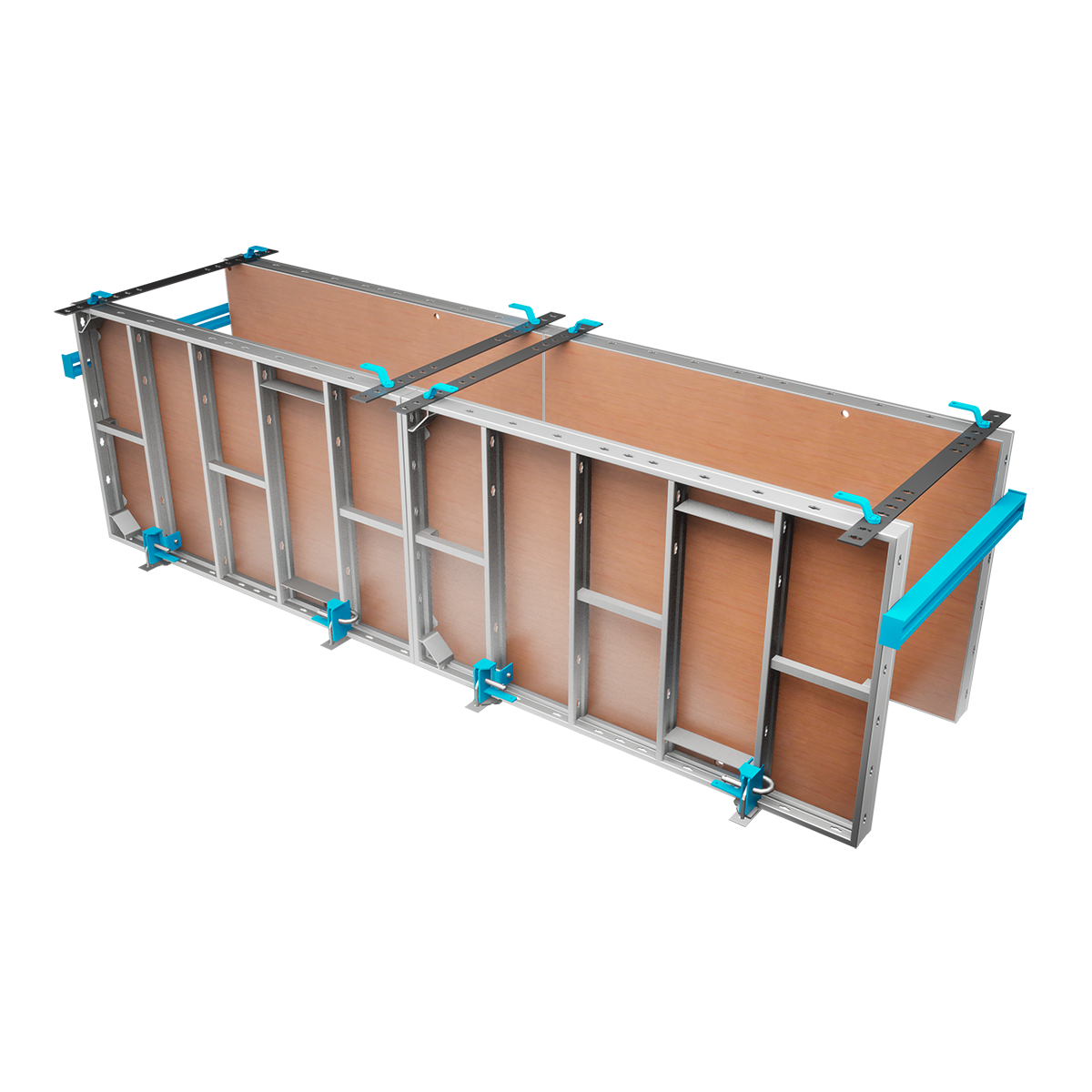
Our bespoke formwork solutions are crafted to meet the highest standards of precision and performance. Our engineered Frami system provides a tailor-made formwork solution for use on foundations, cellar tanks, sewer manholes, low retaining walls, parapets and other such small structures.
Formwork and shuttering are terms often used interchangeably in construction, yet they have distinct meanings and roles crucial for ensuring the structural integrity and quality of concrete constructions. Formwork refers to the entire temporary or permanent mold system used to support and shape concrete until it cures and can bear loads independently. Shuttering, a subset of formwork, specifically refers to the vertical molds used to shape the surfaces of concrete structures like walls and columns, acting as the “face” of the formwork that comes into direct contact with the concrete to ensure it meets the desired dimensions of the build.
Timber formwork: This is a classic choice, valued for its adaptability and ease of assembly. Ideal for small projects and intricate designs, it can be custom-cut on-site for flexibility. Its affordability and availability make it a popular option.
Steel formwork: This option stands out for its strength and durability. Made from robust steel sheets, it can endure multiple uses without losing shape. Perfect for large-scale projects needing consistent quality, it also provides a smooth concrete finish.
Aluminum formwork: Aluminum offers the strength of metal with the advantage of being lightweight. Easy to handle and quick to assemble, its high reusability and excellent surface finish make it ideal for repetitive tasks.
Plastic formwork: It’s lightweight, reusable, and resistant to moisture and chemicals. Suitable for small to medium projects, it ensures quick handling and turnaround.
Plywood formwork: Plywood is versatile and economical, often used hand in hand with timber or steel frameworks. It provides a smooth finish and is easy to cut and shape, making it ideal for various construction needs, especially curved structures.